Health Informatics Jobs: Careers and Opportunities
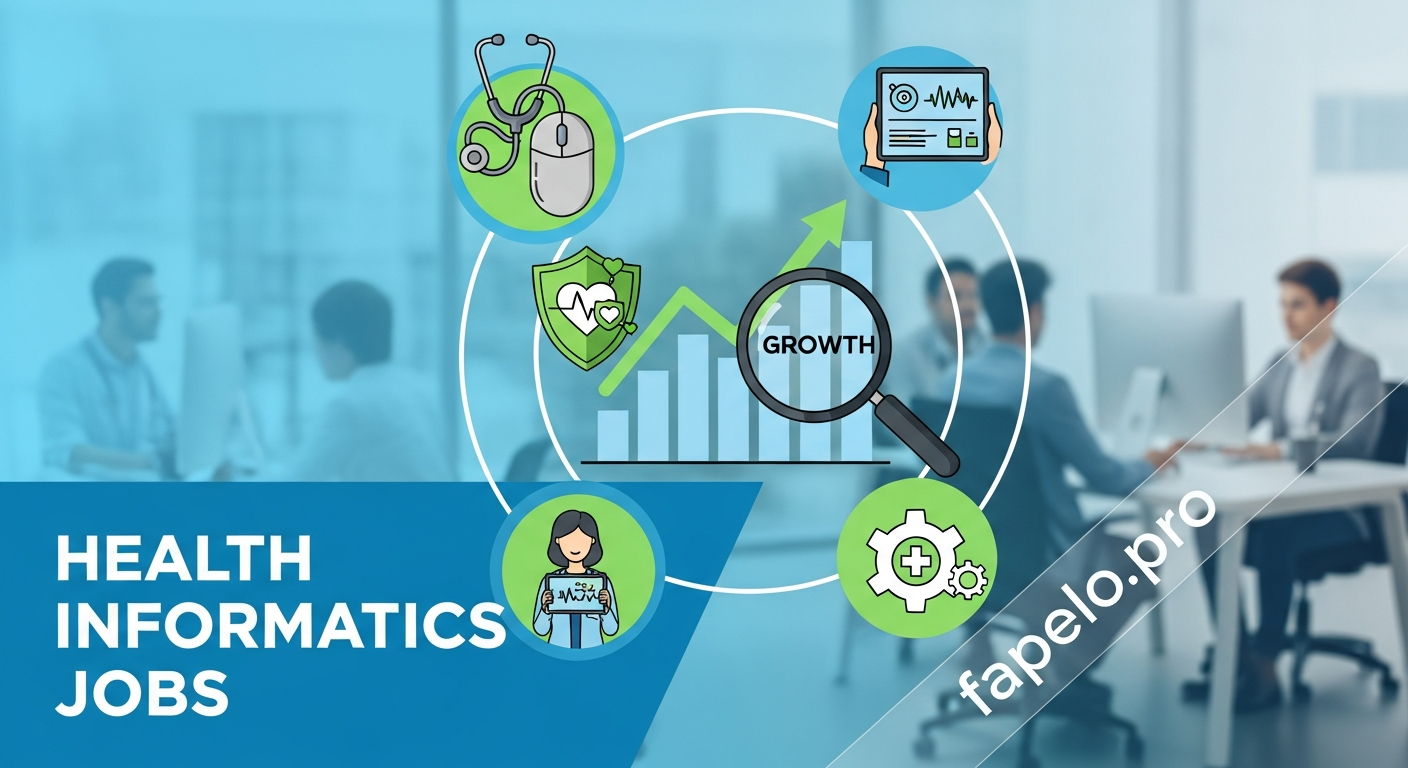
Health informatics jobs are becoming one of the most sought-after careers in the healthcare industry. With technology transforming the way patient information is managed, professionals in health informatics play a key role in improving healthcare systems. From hospitals to private organizations, there are numerous opportunities for those interested in merging healthcare and technology.
The demand for health informatics jobs has grown rapidly over the past decade. Healthcare providers need skilled professionals who can manage electronic health records, analyze medical data, and implement digital solutions to improve patient care. This growth has opened doors for people with different educational backgrounds, including computer science, healthcare, and data analytics.
What Are Health Informatics Jobs?
Health informatics jobs involve managing, analyzing, and interpreting healthcare information. Professionals in this field work to ensure that data is accurate, accessible, and useful for healthcare providers. These jobs are not just about technology—they require understanding healthcare processes and improving patient outcomes through data-driven solutions.
Roles in health informatics can vary widely. Some jobs focus on electronic health record management, while others may involve clinical data analysis, system implementation, or patient privacy and security. Health informatics jobs combine knowledge of healthcare, information technology, and data science to make healthcare delivery more efficient.
Types of Health Informatics Jobs
There are several types of health informatics jobs, each with unique responsibilities. Some popular roles include health informatics specialists, clinical informatics analysts, health IT consultants, and medical data scientists. These professionals often work in hospitals, government agencies, research institutions, and private companies.
Health informatics specialists help design and implement electronic health record systems, ensuring smooth integration with existing hospital processes. Clinical informatics analysts focus on data analysis, extracting insights from patient records to improve treatment outcomes. Health IT consultants advise organizations on implementing technology solutions that meet regulatory standards and improve operational efficiency.
Skills Required for Health Informatics Jobs
Success in health informatics jobs requires a combination of technical and healthcare knowledge. Key skills include understanding healthcare systems, data analysis, database management, and proficiency in health IT software. Communication skills are also crucial, as professionals must collaborate with healthcare providers and IT teams.
Analytical skills are essential for interpreting complex medical data. Problem-solving abilities help in optimizing systems and processes. Knowledge of healthcare regulations, data privacy laws, and electronic health record systems ensures compliance and security in managing patient information.
Education and Certification for Health Informatics Careers
To pursue health informatics jobs, a relevant degree is often required. Many professionals have degrees in health information management, healthcare administration, computer science, or data analytics. Advanced degrees, such as a master’s in health informatics, can provide additional career advantages.
Certifications can further enhance a candidate’s profile. Popular certifications include Certified Health Informatics Specialist (CHIS), Registered Health Information Administrator (RHIA), and Certified Professional in Healthcare Information and Management Systems (CPHIMS). These certifications demonstrate expertise and commitment to the field, increasing job prospects and earning potential.
Why Health Informatics Jobs Are Growing
The healthcare industry is generating more data than ever before. Hospitals, clinics, and research institutions need professionals who can manage this data effectively. Health informatics jobs are growing because organizations recognize the importance of accurate data in improving patient care and reducing costs.
Technology trends, such as telehealth, electronic medical records, and artificial intelligence in healthcare, have also created new opportunities. Professionals in health informatics are essential in implementing these technologies, ensuring data accuracy, and providing insights that guide decision-making.
Benefits of Working in Health Informatics
Health informatics jobs offer rewarding career opportunities. Professionals often enjoy competitive salaries, career growth, and the chance to make a positive impact on patient care. Unlike some healthcare jobs that involve direct patient care, health informatics careers often focus on improving systems behind the scenes.
Work flexibility is another advantage. Many health informatics jobs allow remote or hybrid work arrangements. Continuous learning opportunities also keep the field exciting, as professionals engage with new technologies and methodologies.
Challenges in Health Informatics Jobs
While health informatics jobs are rewarding, they also come with challenges. Managing sensitive patient data requires strict adherence to privacy regulations. Professionals must stay updated on changing healthcare policies, software updates, and emerging technologies.
Another challenge is the complexity of integrating technology with existing healthcare systems. Ensuring that electronic health records work seamlessly with hospital operations requires careful planning, collaboration, and problem-solving skills.
Future of Health Informatics Careers
The future of health informatics jobs looks promising. As healthcare becomes increasingly data-driven, the demand for skilled professionals will continue to rise. Emerging technologies, such as artificial intelligence, predictive analytics, and blockchain, are creating new roles and opportunities.
Health informatics professionals will play a vital role in shaping the future of healthcare. Their work will help hospitals provide better patient care, reduce costs, and make informed decisions based on reliable data.
How to Start a Career in Health Informatics
Starting a career in health informatics begins with education and skill development. Pursuing a relevant degree and gaining certifications can set the foundation for entering the field. Networking with professionals, attending conferences, and participating in internships can also provide valuable experience.
Entry-level positions, such as health data analyst or clinical informatics assistant, can help newcomers build experience and advance in their careers. Continuous learning and staying updated on industry trends are essential for long-term success in health informatics jobs.
FAQs
What is the average salary for health informatics jobs?
Salaries vary depending on role, experience, and location. On average, health informatics professionals can earn between $60,000 and $120,000 per year.
Do I need a healthcare background to work in health informatics?
Not always. While healthcare knowledge is helpful, many roles focus on IT and data analysis. Combining technical skills with healthcare understanding is ideal.
Can health informatics jobs be done remotely?
Yes, many positions allow remote or hybrid work. Roles involving data analysis or IT support often offer flexible arrangements.
Is certification necessary for health informatics careers?
Certifications are not always mandatory but can improve job prospects, credibility, and salary potential.
Conclusion
Health informatics jobs offer exciting opportunities for professionals who want to combine healthcare and technology. With the industry growing rapidly, skilled individuals can make a meaningful impact on patient care, improve healthcare systems, and enjoy rewarding careers. Education, certifications, and continuous learning are essential for success in this dynamic field. For anyone passionate about healthcare and technology, health informatics jobs are a promising and fulfilling career path.