How to iron a shirt is a skill everyone should know because a neat shirt makes you look smart and clean. Learning how to iron a shirt can save you from wrinkles, creases, and a messy appearance. Many people think ironing is hard, but it is easy if you follow the right steps carefully. You need the right tools, like a good iron, an ironing board, and sometimes a spray bottle to make the process smooth. Understanding the fabric of your shirt is very important. Cotton, linen, polyester, and blends need different heat settings. Using the wrong heat can damage the shirt, while the correct temperature gives a crisp and professional look.
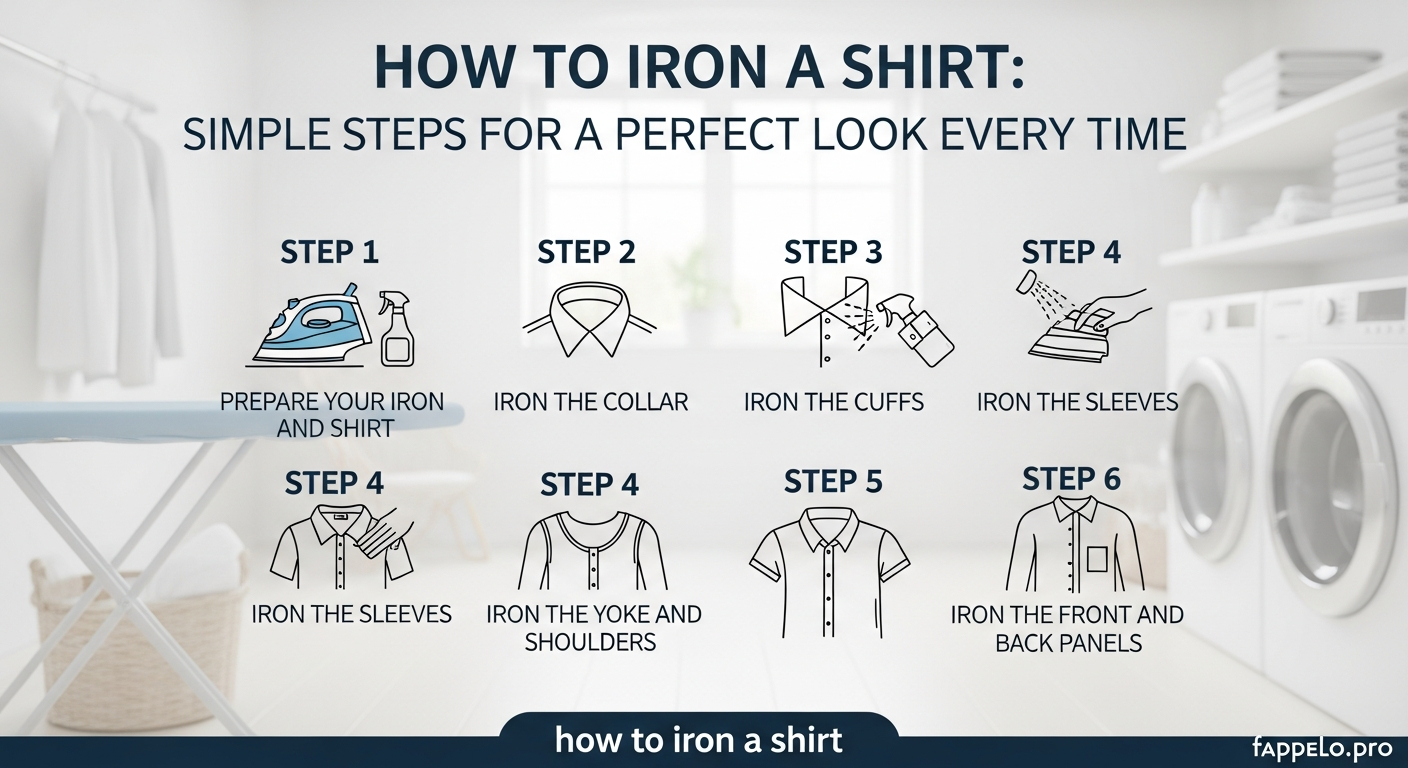
Start by checking the care label on your shirt. This tells you the best heat setting and if you can use steam. Next, set up your ironing board in a bright area so you can see wrinkles clearly. Fill the iron with water if it has a steam function. Some shirts need a little dampness to remove tough wrinkles. Hang your shirt on a hanger before you begin. Begin with the collar, then move to the cuffs, sleeves, back, and front. Always iron in smooth strokes and avoid leaving the iron on one spot for too long. Be careful with buttons—they can melt or break if the iron touches them directly. Take your time, and don’t rush. Each section of the shirt should be wrinkle-free before moving to the next. With practice, ironing becomes faster and easier. Remember, the goal of ironing is not only to remove wrinkles but also to make the shirt look neat, feel comfortable, and last longer. Using the right techniques can help your shirts look new even after many washes. Always let the shirt cool down after ironing before wearing it or putting it in a closet. This helps the fabric stay crisp longer. With these tips, you can learn how to iron a shirt like a pro, even if you are new to ironing.
Understanding Your Shirt Fabric
Before you start ironing, it is important to know what type of fabric your shirt is made of. Different fabrics need different heat settings. Cotton shirts are common and can handle higher heat, while polyester or blends need medium heat to avoid melting. Linen shirts may require a steam iron or slightly dampening before ironing to remove stubborn wrinkles. Always check the care label on your shirt for instructions. The label provides information about the maximum temperature, whether steam is safe, and if ironing is recommended at all. Understanding the fabric helps prevent damage and ensures a smooth, crisp finish.
Tools You Need
To iron a shirt properly, you will need:
- An Iron: Choose an iron with adjustable heat and a steam function. Steam helps remove wrinkles faster.
- Ironing Board: A stable ironing board makes the process safer and more efficient.
- Spray Bottle: Some shirts need light misting to remove tough wrinkles.
- Clean Cloth or Pressing Cloth: This protects delicate fabrics from direct heat.
Having these tools ready makes ironing easier and more effective.
Preparing Your Shirt
Start by hanging your shirt on a hanger and checking for any stains. Ironing over a stain may set it permanently, so wash and dry the shirt first if necessary. Make sure the shirt is slightly damp or use a spray bottle for dry shirts. Dampen the shirt lightly to make wrinkles disappear more easily. Set your iron to the recommended temperature based on the fabric. For example, high heat for cotton, medium for blends, and low for delicate fabrics like silk.
Ironing the Collar
The collar is the first part you should iron. Lay the collar flat on the ironing board and press from the points toward the center. Avoid ironing back and forth as it can create creases. The collar frames your face, so a neat collar makes the entire shirt look tidy.
Ironing the Cuffs
Next, move to the cuffs. Unbutton them and lay them flat on the board. Iron the inside first, then the outside. Like the collar, press from the edges toward the center. Properly ironed cuffs give your shirt a finished and polished look.
Ironing the Sleeves
Sleeves are often tricky because they easily form wrinkles. Lay one sleeve flat on the ironing board, making sure the seams are aligned. Press from the shoulder down to the cuff in smooth, even strokes. Repeat with the other sleeve. Avoid sharp creases unless you prefer the formal style with a crease. If there is a crease line from washing, you can enhance it by pressing along the existing fold.
Ironing the Back
The back of the shirt usually has pleats or extra fabric that needs attention. Start by laying the back flat on the board and ironing from the top to the bottom. Use steam for stubborn wrinkles, and carefully move around pleats to maintain the shirt’s shape. Smooth out the fabric with your hands as you go to avoid new wrinkles forming.
Ironing the Front Panels
The front panels often have buttons and pockets. Iron carefully around the buttons and avoid pressing directly on them to prevent damage. Start with the side without buttons, then move to the side with buttons, pressing gently between them. Use the tip of the iron to reach areas around buttons and seams. For shirts with pockets, iron the pocket edges first, then the main panel.
Using Steam and Spray
Steam is a valuable tool in ironing. It helps relax fibers and makes wrinkles disappear faster. For shirts that are very wrinkled, use the spray bottle to mist the fabric lightly before ironing. Always test a small hidden area first to make sure the fabric reacts well to water. Steam and dampening are especially useful for cotton and linen shirts.
Finishing Touches
Once the shirt is fully ironed, hang it immediately on a hanger to keep it wrinkle-free. Button the top button to maintain the collar shape. Let the shirt cool down before folding or putting it into a closet. This helps the fibers set and keeps the shirt looking crisp longer. Inspect the shirt carefully for any missed spots and touch up as needed.
Tips for Easy and Fast Ironing
- Iron shirts in batches to save time.
- Work in a bright room to see wrinkles clearly.
- Keep the iron moving to avoid scorching the fabric.
- Use a pressing cloth for delicate fabrics like silk or rayon.
- Maintain your iron regularly by cleaning the soleplate.
Common Mistakes to Avoid
- Using the wrong heat setting can burn or melt the fabric.
- Ironing over stains can set them permanently.
- Leaving the iron in one spot too long causes shine marks.
- Ignoring the care label can damage delicate shirts.
- Rushing through the process leads to uneven results.
How to Iron a Shirt Without Wrinkles
To iron a shirt perfectly, start with a slightly damp shirt. Always follow the proper order: collar, cuffs, sleeves, back, and front. Use smooth, even strokes and let the steam work for stubborn wrinkles. Pay attention to areas around buttons and seams. With practice, you will develop a routine that makes ironing fast and effortless while giving professional results.
How to Iron a Shirt Like a Professional
Professional ironing involves attention to detail and the right tools. Use high-quality irons with precise temperature control and steam options. Iron in long, consistent strokes, and handle delicate areas carefully. Professionals often fold sleeves and press seams to maintain the shirt’s shape. With patience and practice, anyone can learn to iron like a pro.
Benefits of Learning How to Iron a Shirt
Knowing how to iron a shirt properly has several benefits:
- It enhances your appearance and confidence.
- Well-ironed shirts last longer.
- It saves time in the long run as shirts stay neat.
- You avoid damaging fabrics by using correct techniques.
- Ironing becomes easier and faster with practice.
Learning this skill also teaches patience and attention to detail, which are useful in many areas of life.
Conclusion
Ironing a shirt may seem simple, but doing it correctly requires understanding fabric types, using the right tools, and following a proper order. By starting with the collar and cuffs, moving to sleeves, back, and front panels, and using steam or dampening when needed, you can achieve a neat and professional look. Regular practice makes ironing faster and easier. Keeping your shirts wrinkle-free improves your appearance and makes clothes last longer. Ironing is not just about removing wrinkles; it is about presenting yourself neatly and confidently.
FAQs
Q: Can I iron a shirt without a steam function?
A: Yes, you can. Lightly dampen the shirt with a spray bottle or use a wet cloth between the iron and the fabric.
Q: How do I avoid shining marks on dark shirts?
A: Use a lower heat setting, a pressing cloth, and keep the iron moving steadily.
Q: Should I iron a shirt while it is wet or dry?
A: Slightly damp shirts are easier to iron. Dry shirts may need light misting with water.